
Apartment Security Checklist for Bakersfield Property Managers
Multifamily Property Security Guide
A practical apartment security checklist for Bakersfield property managers should focus on the places where residents, visitors, vehicles, deliveries, and staff interact every day. The goal is to identify repeatable problems, improve visibility, and give everyone a clear way to report concerns.
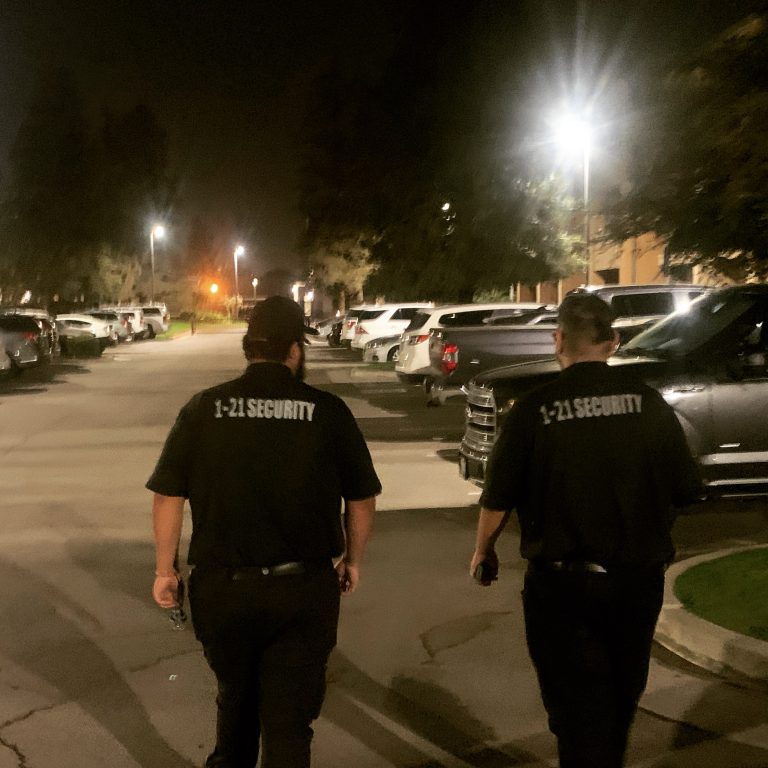
1. Walk the Property at Different Times
A daytime inspection may not reveal what residents experience after dark. Walk the community during morning activity, evening arrivals, and overnight hours. Review entrances, parking areas, laundry rooms, mail and package locations, recreation spaces, stairwells, alleys, vacant units, and perimeter fencing.
Document areas with poor visibility, repeated loitering, damaged gates, unauthorized parking, or confusing access. A simple site map helps management, maintenance, and security teams discuss the same locations.
2. Check Lighting and Sightlines
Lighting should support safe movement and make activity easier to observe. Look for burned-out fixtures, dark corners, glare that hides faces, overgrown landscaping, and obstacles near walkways or vehicle entrances. Pay special attention to parking spaces, dumpsters, pedestrian gates, building numbers, stairs, and rear property lines.
3. Review Gates, Doors, and Access Control
Test vehicle gates, pedestrian gates, lobby doors, pool access, utility rooms, leasing-office doors, and other restricted areas. Track how quickly lost keys, remotes, or access credentials are disabled. Confirm that vendors and contractors have a consistent check-in process.
- Repair doors or gates that do not close and latch correctly
- Remove outdated access for former residents, employees, and vendors
- Keep emergency access procedures available to authorized staff
- Use clear signage for guest parking and restricted areas
4. Examine Parking and Vehicle Activity
Parking lots are often the largest shared area in an apartment community. Review lighting, camera views, abandoned vehicles, unauthorized parking, blind corners, and routes between vehicles and apartment buildings. Identify the hours when arrivals, deliveries, gatherings, or complaints are most common.
Mobile patrol security for apartment communities can provide randomized vehicle checks, visible deterrence, and documentation across parking areas and property perimeters.
5. Create a Consistent Incident-Reporting Process
Residents and staff should know how to report non-emergency concerns and when to call emergency services. Management should capture the date, time, location, description, available images or video, action taken, and follow-up needed.
Review reports for patterns instead of treating every event as isolated. Repeated activity around one gate, building, stairwell, or time period may show where maintenance, access changes, cameras, lighting, or patrol coverage should be adjusted.
6. Coordinate Cameras, Staff, and Security Patrols
Cameras, property staff, access controls, and security officers work best as one plan. Confirm who reviews video, who receives alerts, what security should observe during patrols, and how urgent issues are communicated. Avoid assuming that a camera by itself provides real-time intervention.
7. Define Clear Security Post Orders
If the property uses apartment security guards, written post orders should identify patrol zones, restricted areas, parking policies, management contacts, emergency procedures, report expectations, and resident-service boundaries.
Instructions should also explain how officers handle common situations such as trespassing concerns, noise complaints, open gates, property damage, suspicious vehicles, and requests from residents. Clear direction helps create consistent, professional service.
8. Review Vendor and Delivery Access
Apartment communities regularly receive maintenance contractors, package carriers, rideshare drivers, food deliveries, and moving vehicles. Decide which areas are open, which require management approval, and how after-hours access should work. Keep loading and fire lanes clear and make building numbers easy to see.
9. Match Security Coverage to Actual Activity
Not every community needs the same schedule. Use incident history, resident feedback, property layout, occupancy, and peak activity times to decide between standing officers, foot patrols, mobile patrol, or a blended plan.
For example, a standing officer may be useful during busy evening hours or at a controlled entrance. Mobile patrol may be a better fit for randomized overnight checks across parking lots, gates, and common areas.
Monthly Apartment Security Review
- Walk all common areas during daylight and after dark
- Test exterior lighting, gates, and controlled doors
- Review incident reports and repeat locations
- Confirm emergency and management contacts
- Check cameras for clear views and correct recurring blind spots
- Review vacant-unit, vendor, and package procedures
- Update guard post orders and patrol priorities
- Document repairs and assign completion dates
Apartment Security Services in Bakersfield
1-Twenty One Security provides professional apartment security in Bakersfield, including uniformed officers, foot patrol, mobile patrol, parking-area visibility, and detailed reporting for communities throughout Kern County.